Ambitions and Animal Planet
My role within the school is that of an art teacher and school coach in the area of the creative process. I first provided training for the teachers on the importance of the creative process and the art education model we used at Kunst Centraal. I then developed, and have now almost fully implemented, an art project for grades 1–7 (Groups 3–8 and Year 1 of secondary school), with support from the classroom teachers.
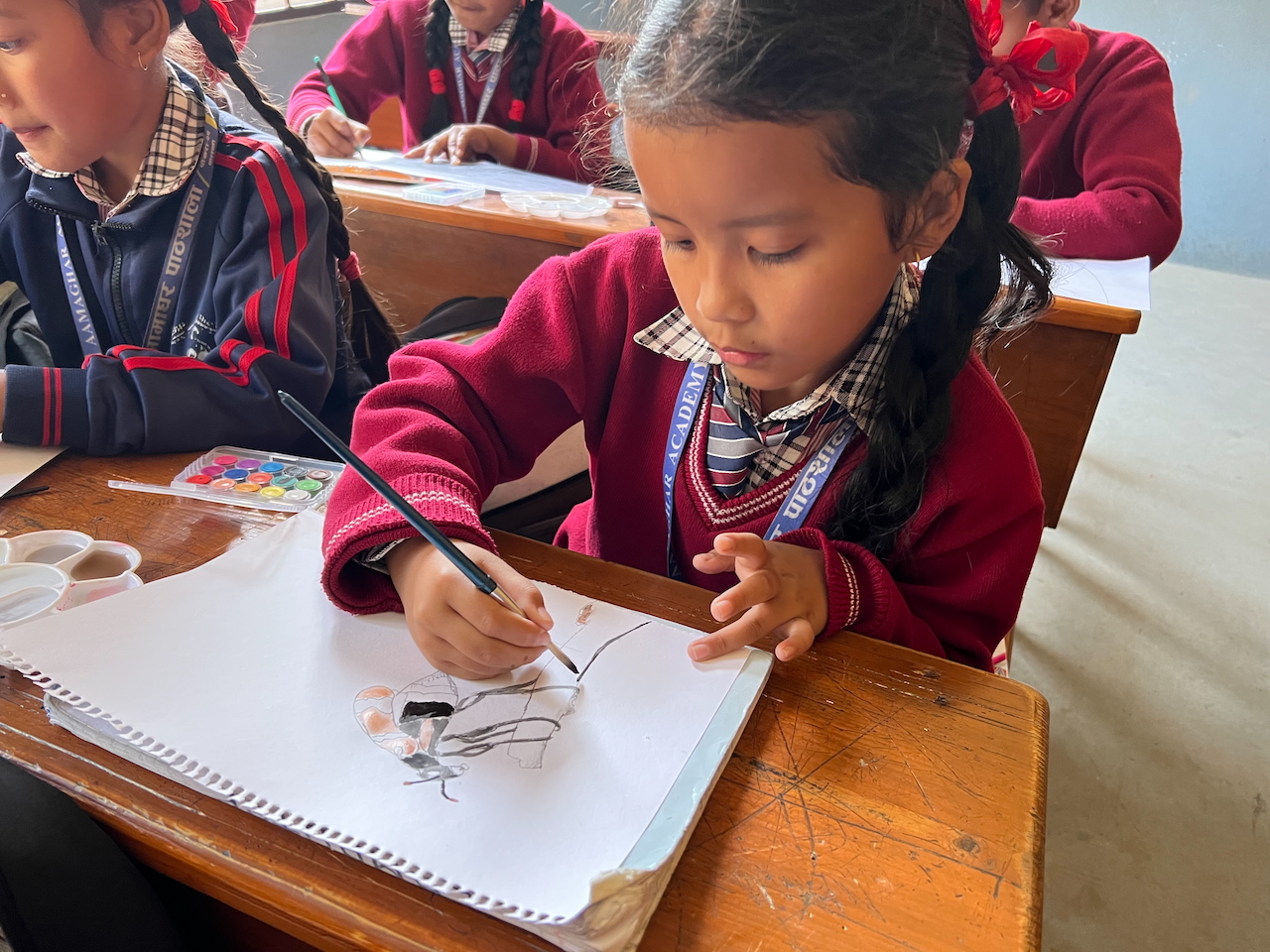
The art project is themed Animal Planet and ranges from creating “spot monsters” and scientific drawings of insects to designing animal-shaped robots that can help clean up litter.
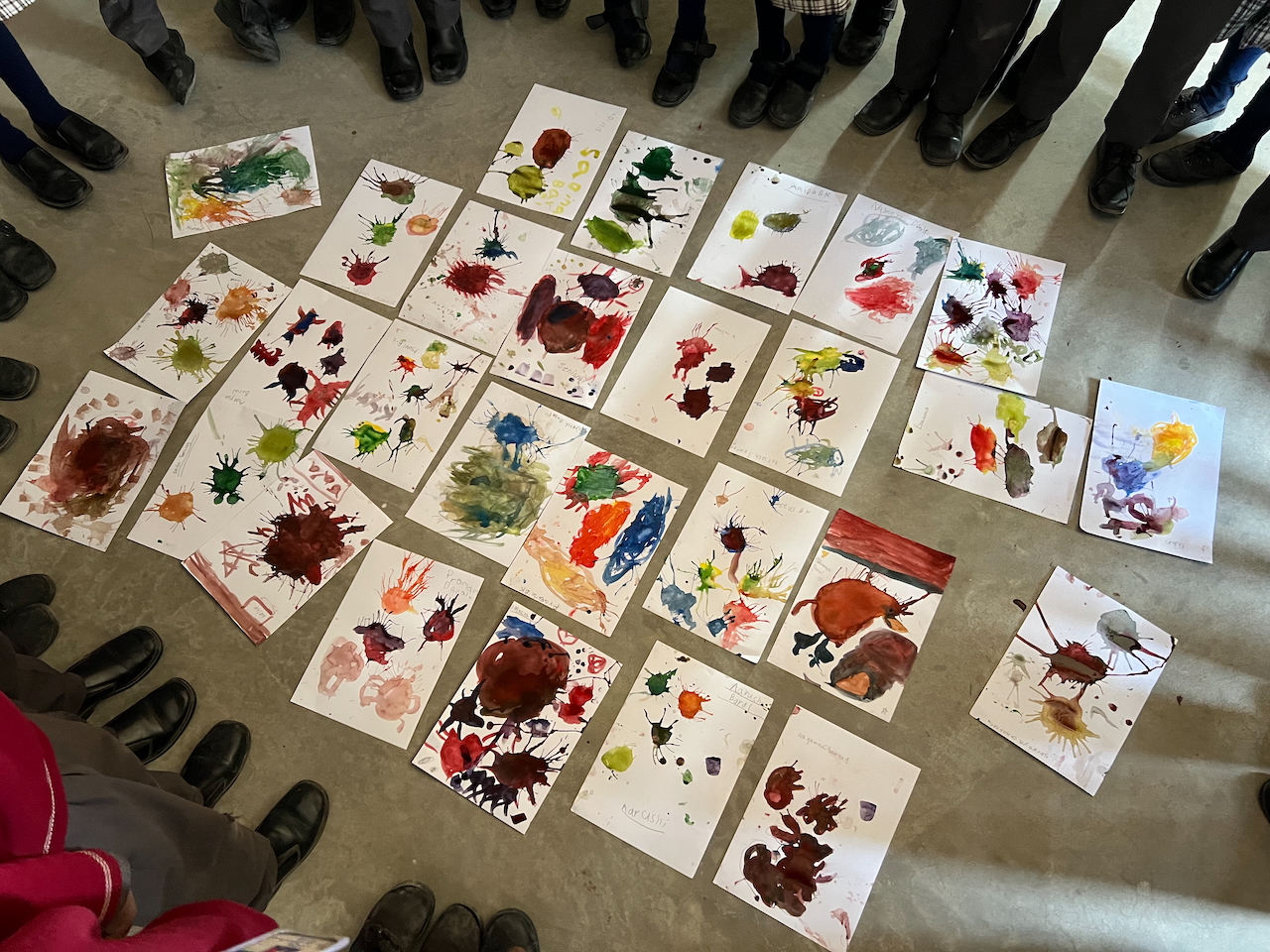
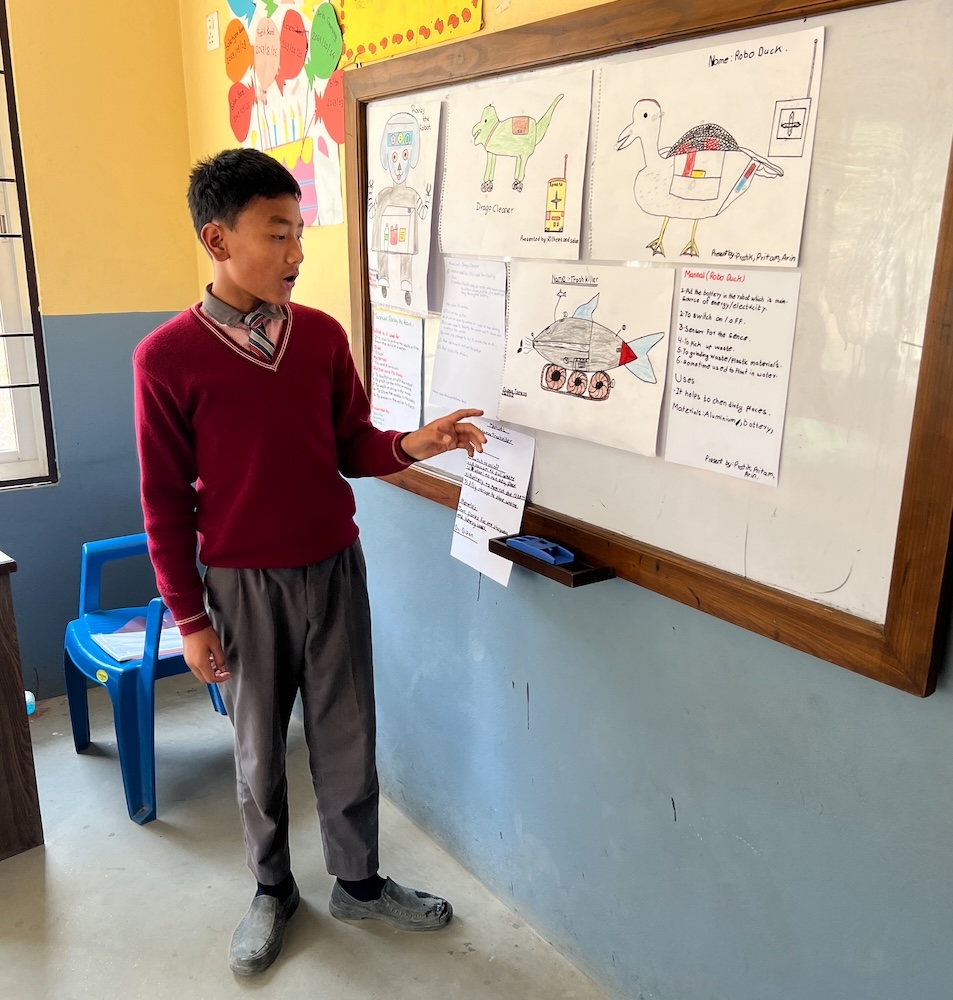
I wanted each class to work on its own assignment using different materials, while introducing the upper grades to Design Thinking in relation to a current real litter problem in the environment. Although I purchased various materials myself, it was still quite a challenge to work with limited resources and the language barrier. For example, there were only five pairs of scissors for a class of 27 students. With some patience, an English-speaking teacher, ChatGPT, and a lesson on tearing paper, we still managed to achieve a great deal.
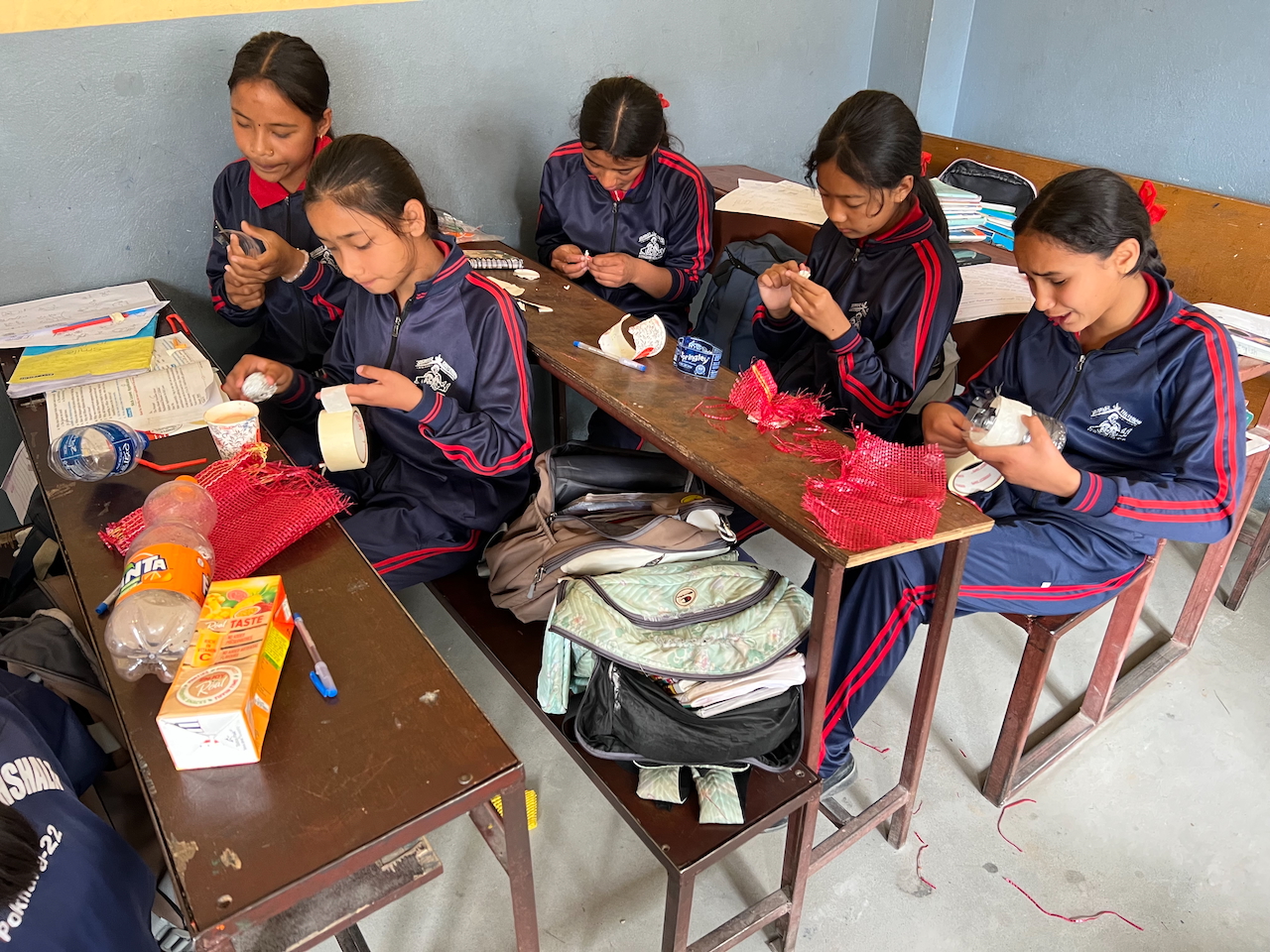
Meenu (the school principal) has formulated a clear vision and ambition for the coming five years, in which positive and critical thinking, respect, and creativity are core values. Despite positive feedback from the management team, the question remains how and within what time frame she can realize these ambitions with the current staff. As a school coach, I have also experienced that the vision and ambitions of leadership are not automatically understood or embraced by everyone. For the school, organizing meetings and training sessions for both teachers and parents is therefore an important strategic tool to engage and retain their involvement.
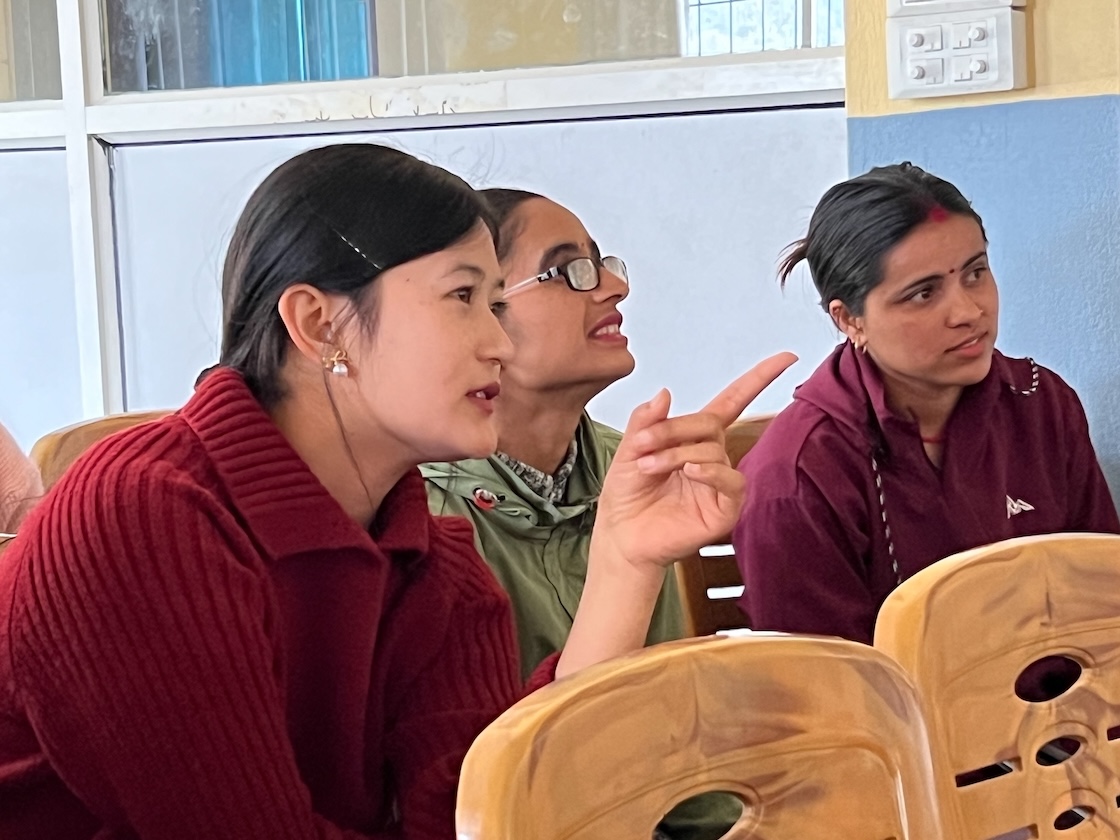
In collaboration with the university, a training session was organized for parents of the pre-groups (ages 2 and 3+), titled Positive Parenting: How to Do It?. The focus was on child development psychology and how to respond effectively as parents. Most parents are primarily focused on making ends meet, and in such circumstances, parenting is not always easy.
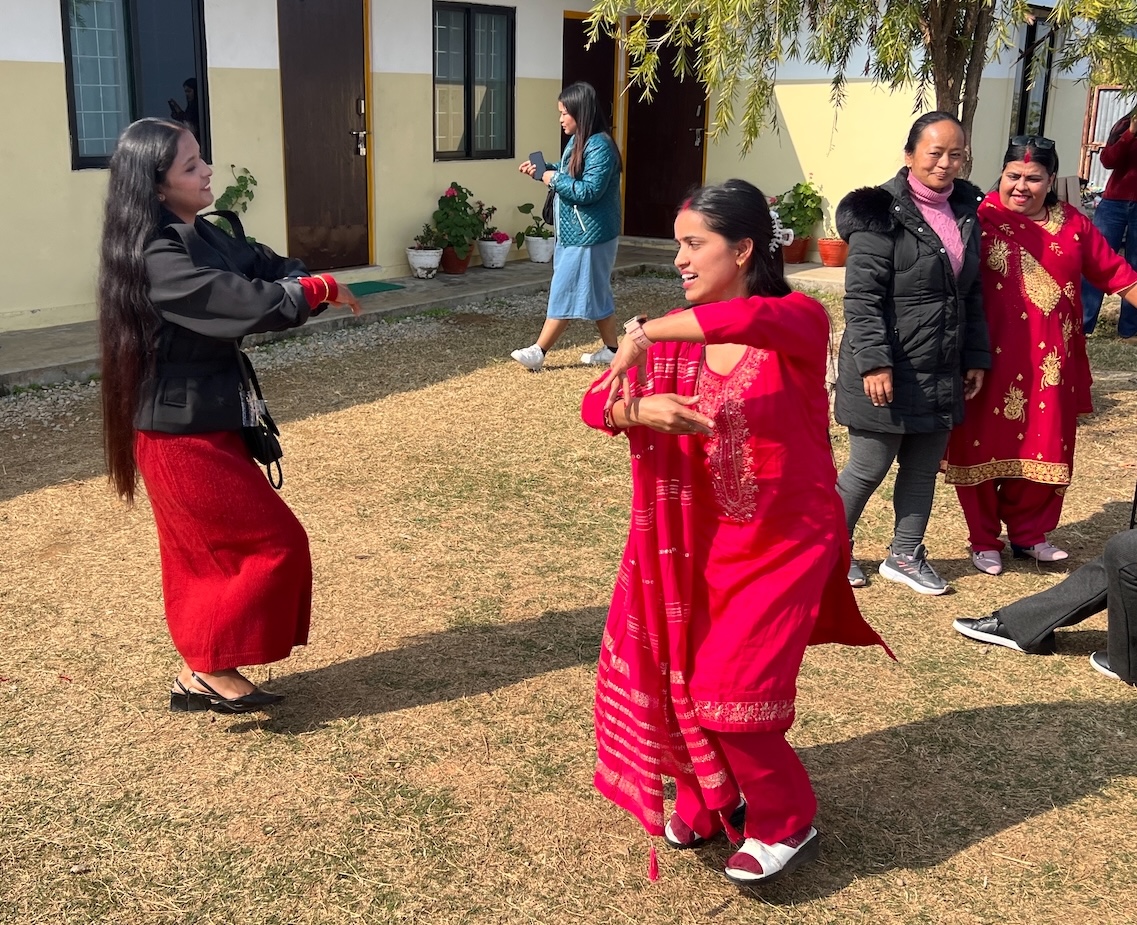
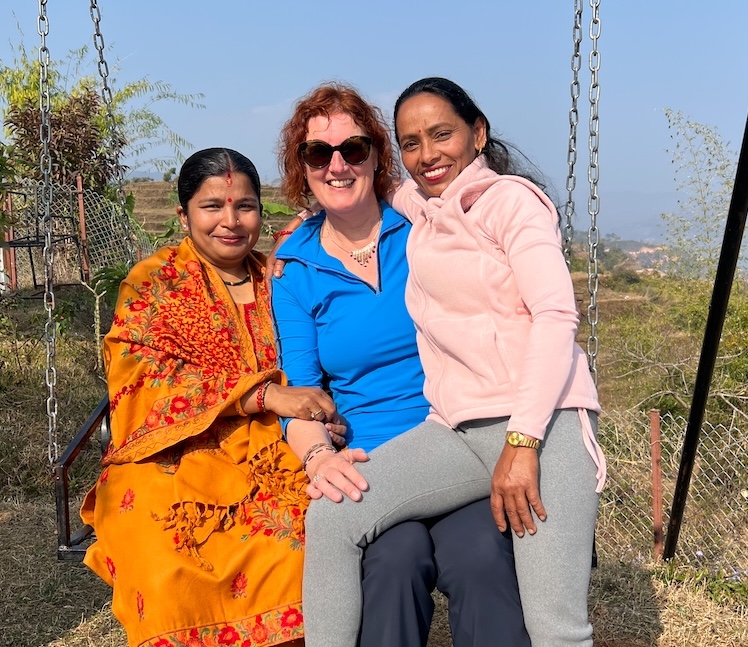
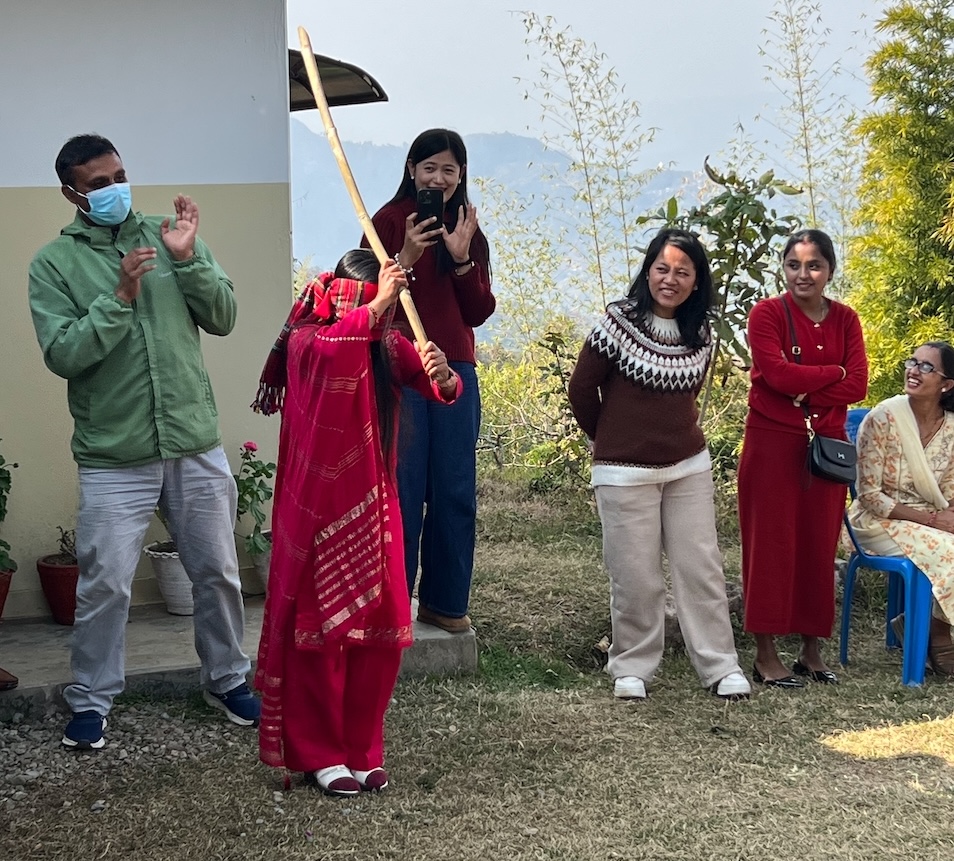
At the end of each Nepalese month, there is a team meeting, parent-teacher conferences, and sometimes a training session. Discussions cover not only planning but also the purpose behind developing specific skills. A team outing is also part of this routine, not only for teachers, but for support staff as well. This time we went to a place overlooking Pokhara. There was food, enjoyment of the view, more food, a game, some dancing, and then even more food. I left a little earlier and was able to ride on the back of a motorbike to Pokhara. I questioned more than once whether that had been a wise decision. The road down was steep, with many hairpin bends and all without a helmet. Another life experience gained ...