The end is near!
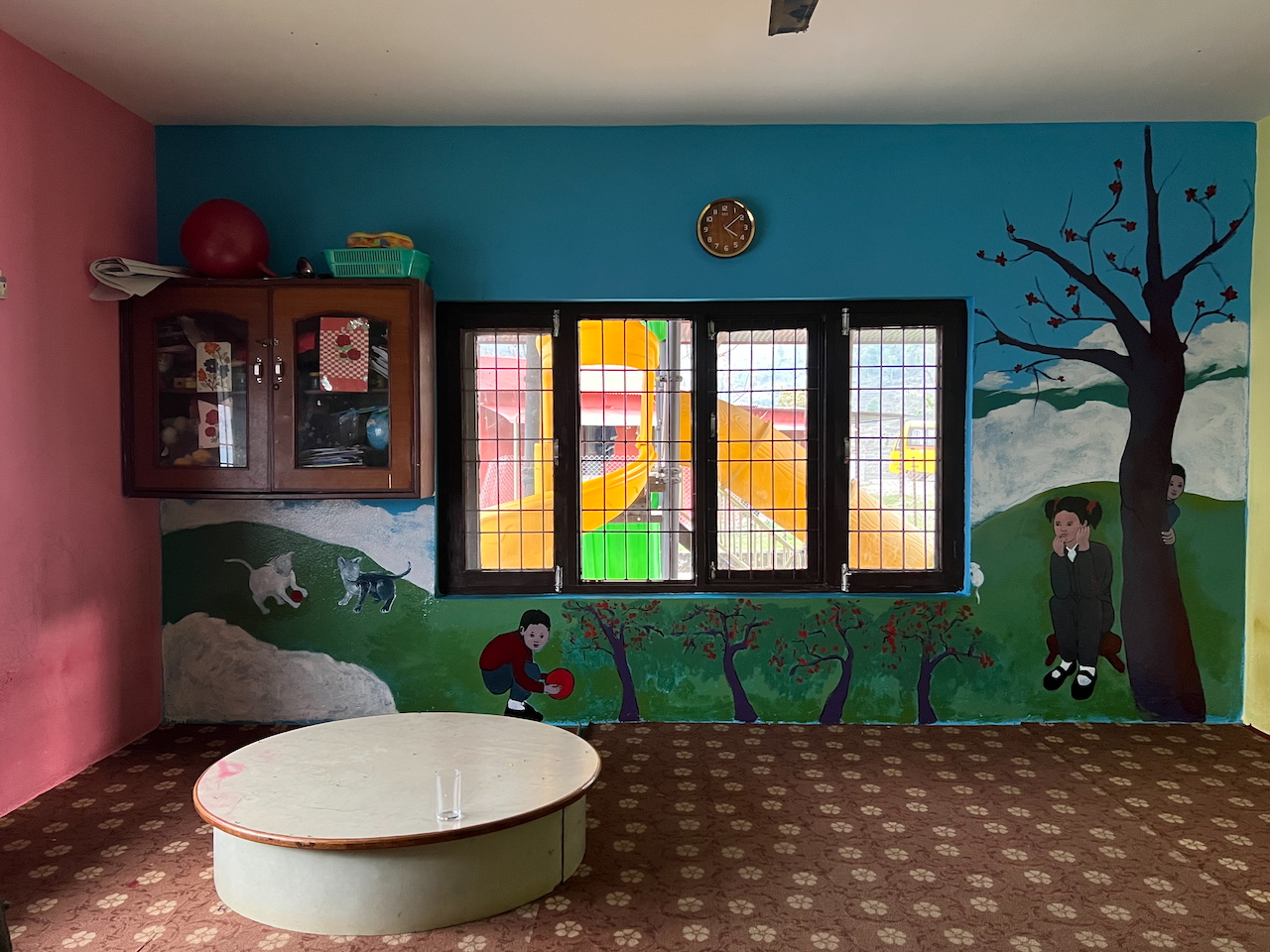
This may sound more dramatic than it actually is, but indeed, the end of my time at Aamaghar Pathshala is near. My final tasks are completing the indoor mural, writing a reflection on how the school operates, and saying goodbye to the team and the children.
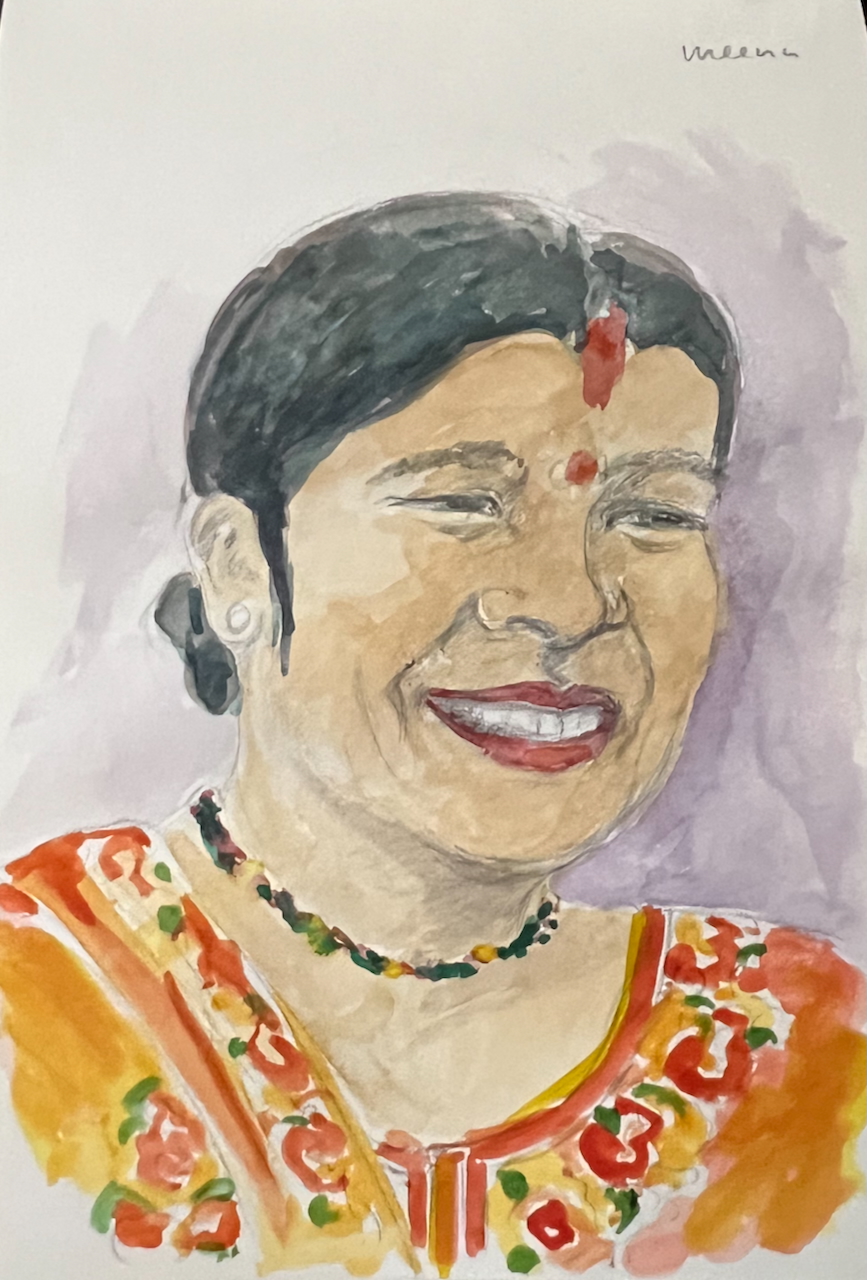
Apparently, I am the first volunteer at the school to have worked so intensively with the team. Not only did I carry out an art project with grades 1–7 following the creative process, but I also delivered three training sessions in which the creative process and the use of art forms within lessons were central. Meenu (head of school) is currently studying STEAM Education at the University of Kathmandu and is constantly looking for ways to positively stimulate the students. That is also why she asked me to write a reflection, so she can build on it further.
All teachers specialize in particular subjects and teach across different classes. Lessons about Nepalese culture and society are among these subjects. However, art is not something they teach themselves. Occasionally, a specialist teacher or artist visits the school. There are a few teachers who enjoy drawing, but these are mainly teachers of the lower grades. At the moment, some of these teachers are attending a multi-day course to further develop their creative skills.
It is therefore not realistic to include art as a regular subject on the timetable in the short term. However, I have tried to demonstrate and let them experience that art forms, such as drawing, constructing with recycled materials, and observing and discussing paintings and illustrations, can be effectively integrated into the different lessons of other subjects. In this way, the teachers (both from Aamaghar and from neighboring schools) have been introduced to various ways of learning to observe, experiment with ideas, think critically about what they see and know, and communicate feelings and thoughts through drawing, the Visible Thinking approach, and the STEAM approach.
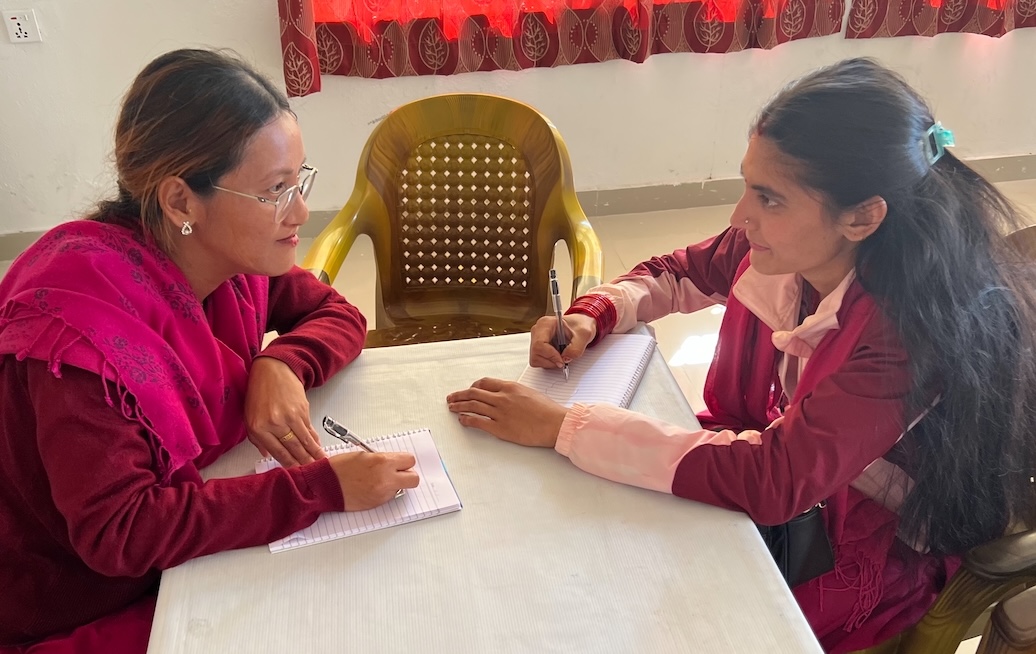
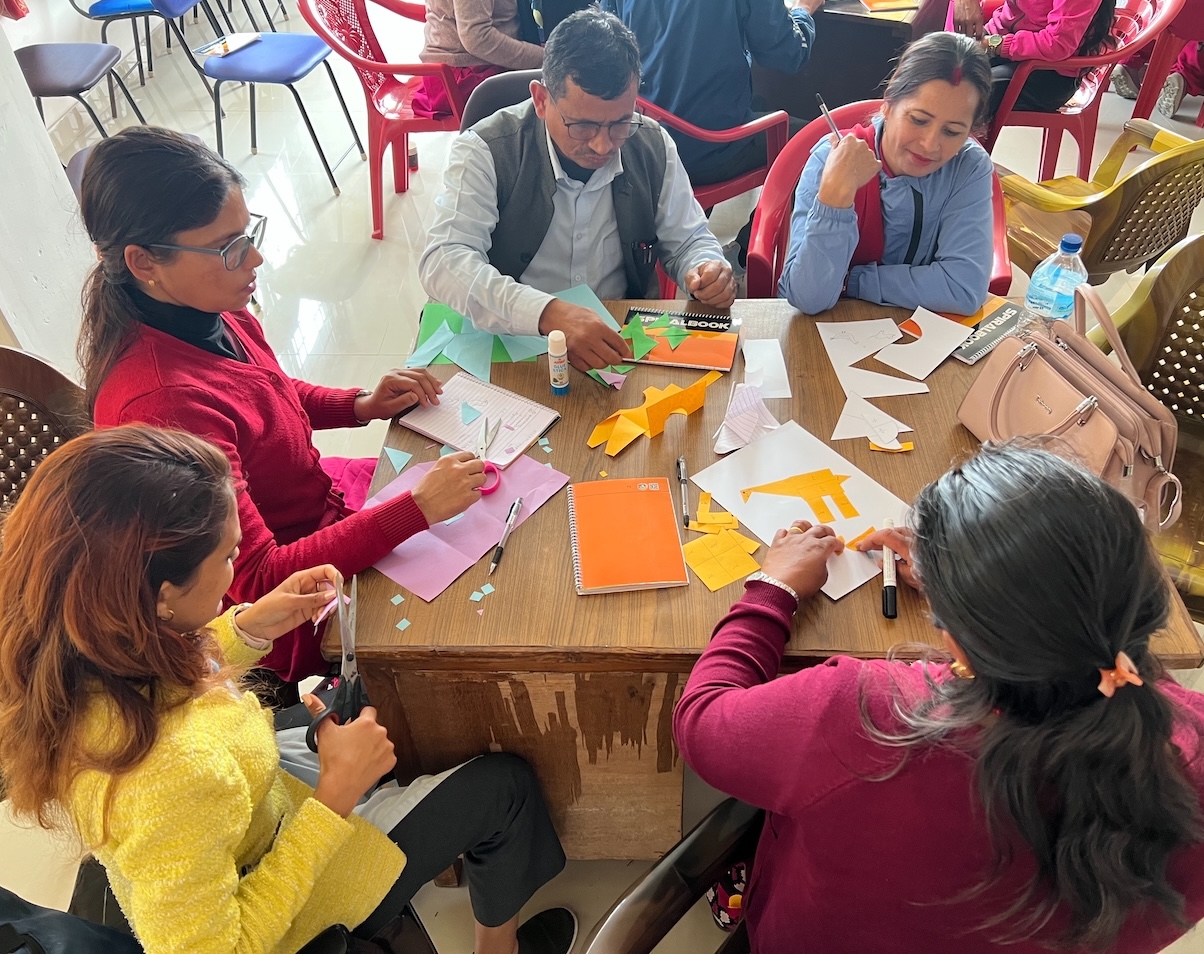
This approach to teaching is new to the teachers. It was therefore a process of exploration to find ways to give them insight into the importance and possibilities of creativity in teaching. I started by observing different classes, mainly to become familiar with the organization and the children. It also seemed like a good way to build trust. My sketchbook turned out to be a valuable tool for connecting with both teachers and students. I then gave a training session on the creative process, linking it to the lessons for the art project. In hindsight, it might have been better to first carry out the art project and then provide the training during or after its implementation. I think the “theory” would have resonated more, not only because they would have gotten to know me better, but also because the theory would have been visible in practice. Since this is such unfamiliar territory, it was difficult to imagine the process, its importance, and its possibilities. Cultural and language differences naturally play a role here too. That’s why I also created an exhibition for Parents’ Day, showcasing what each class had accomplished during the art project.
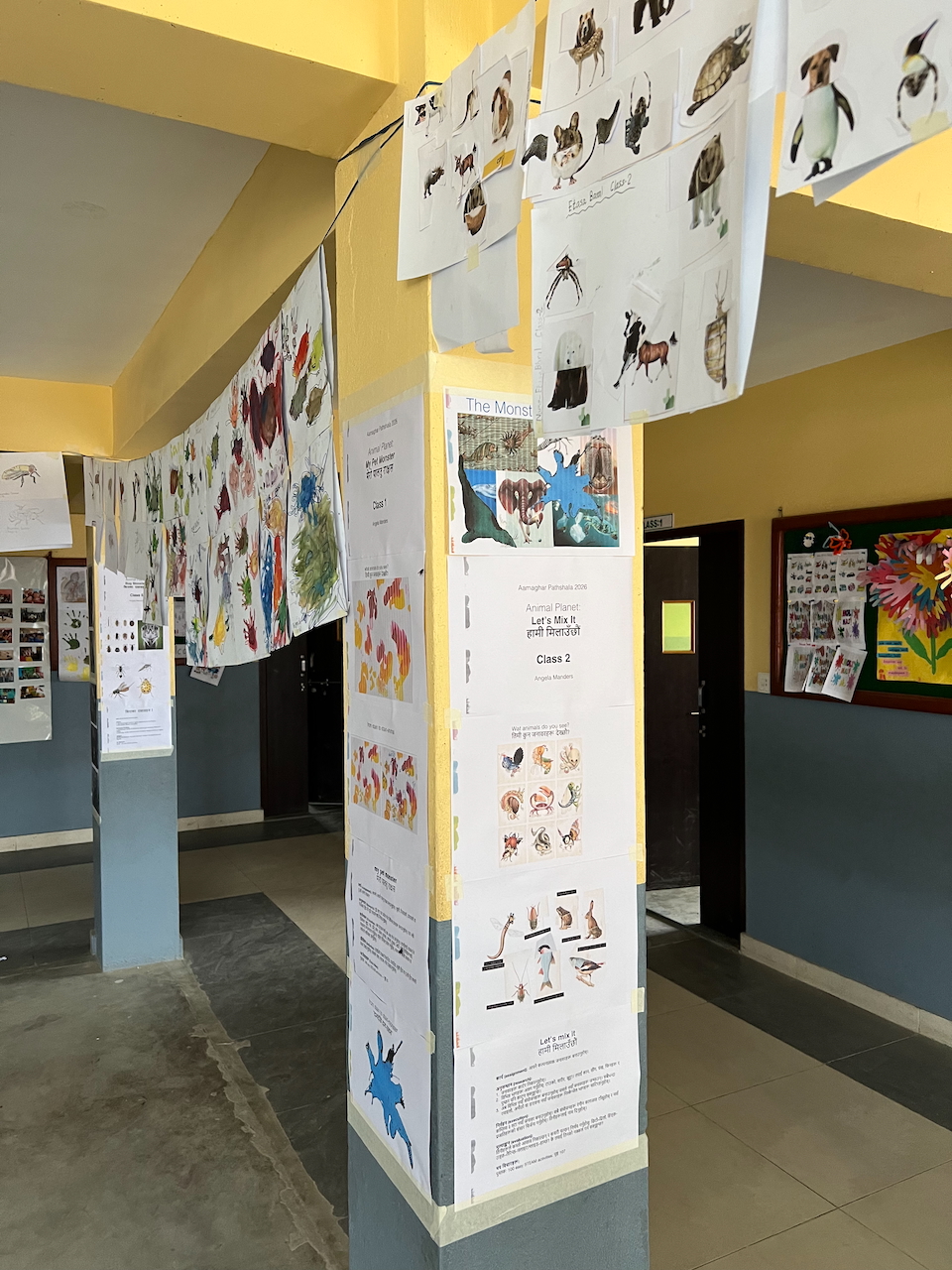
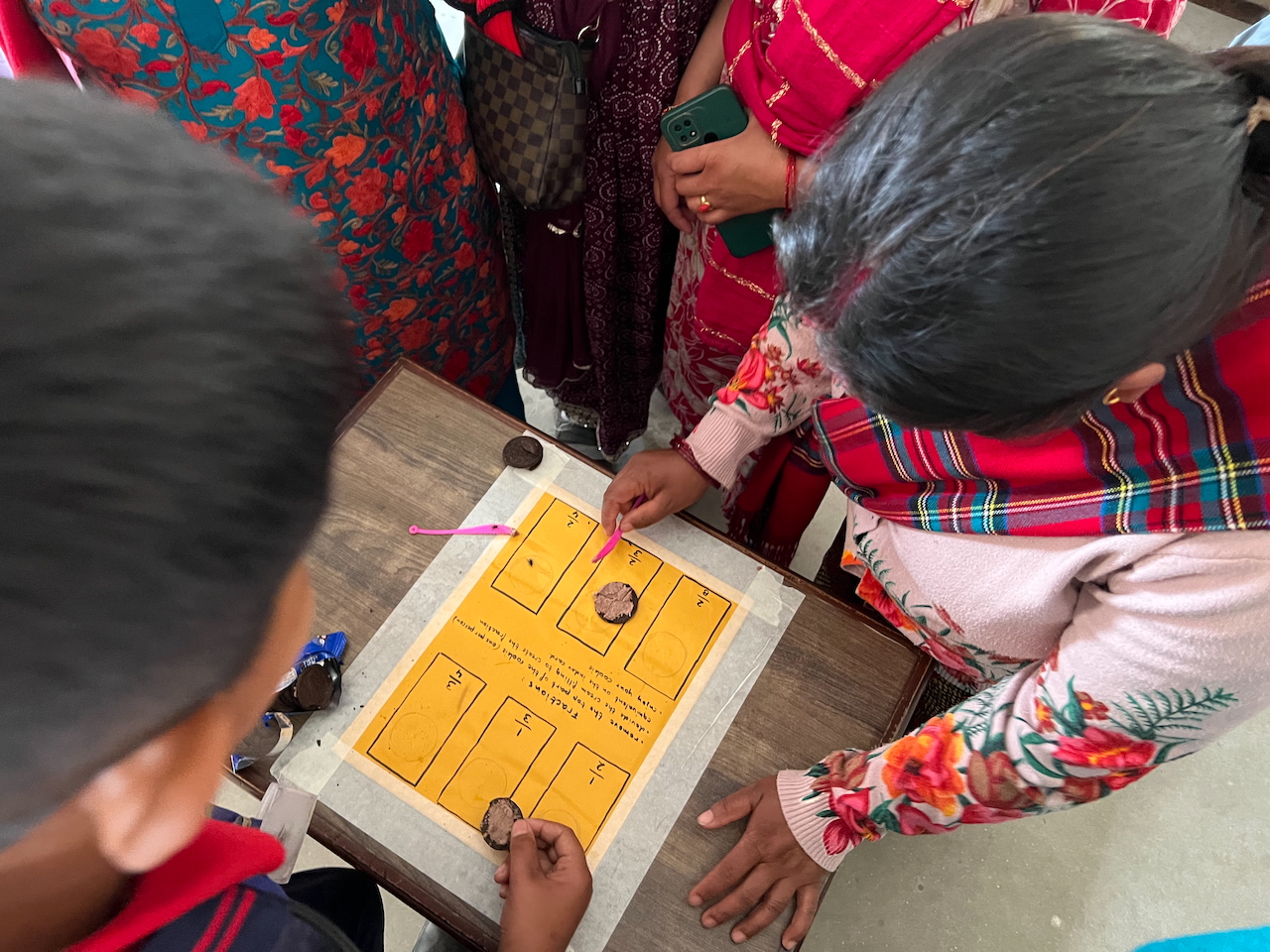
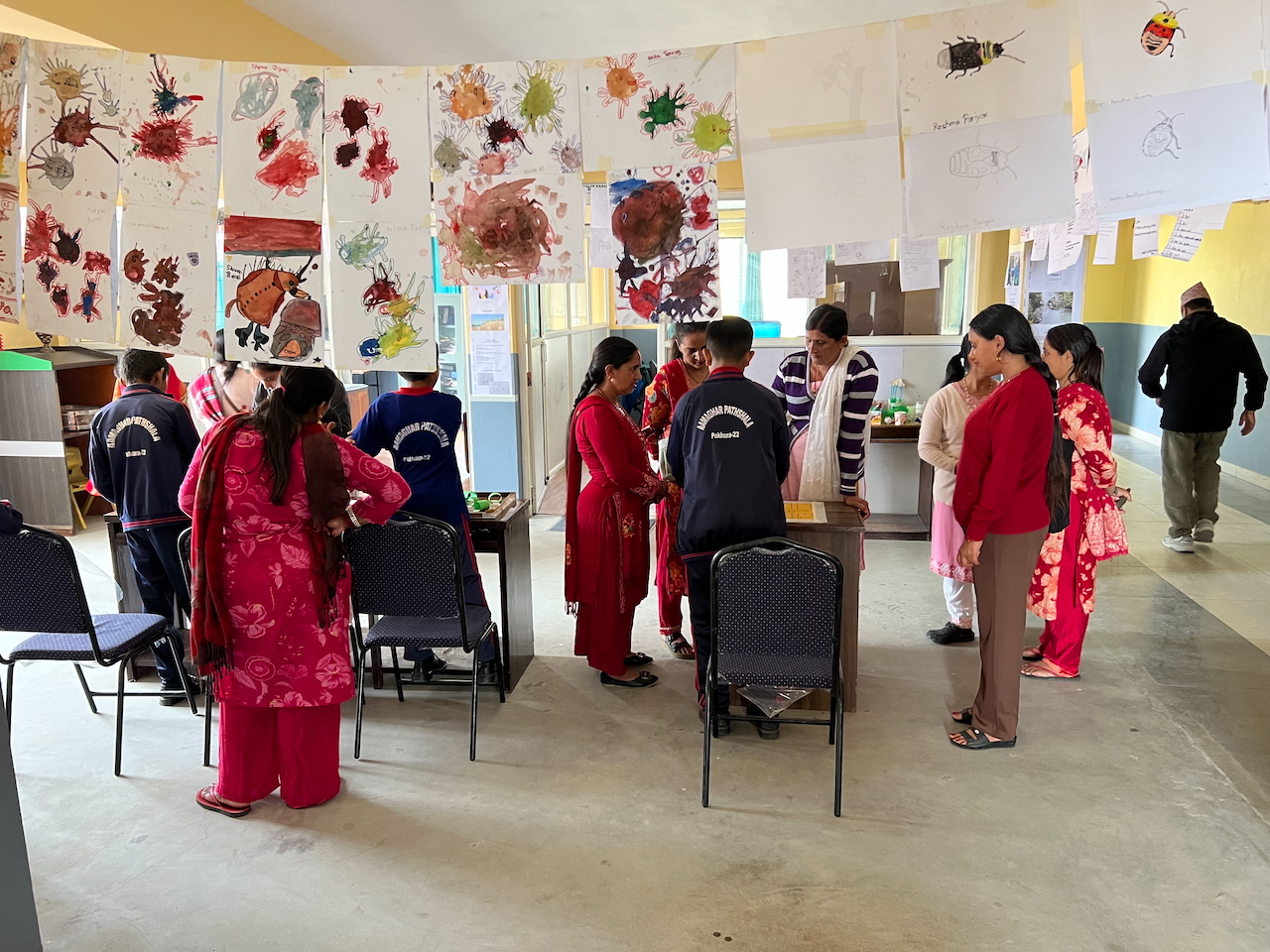
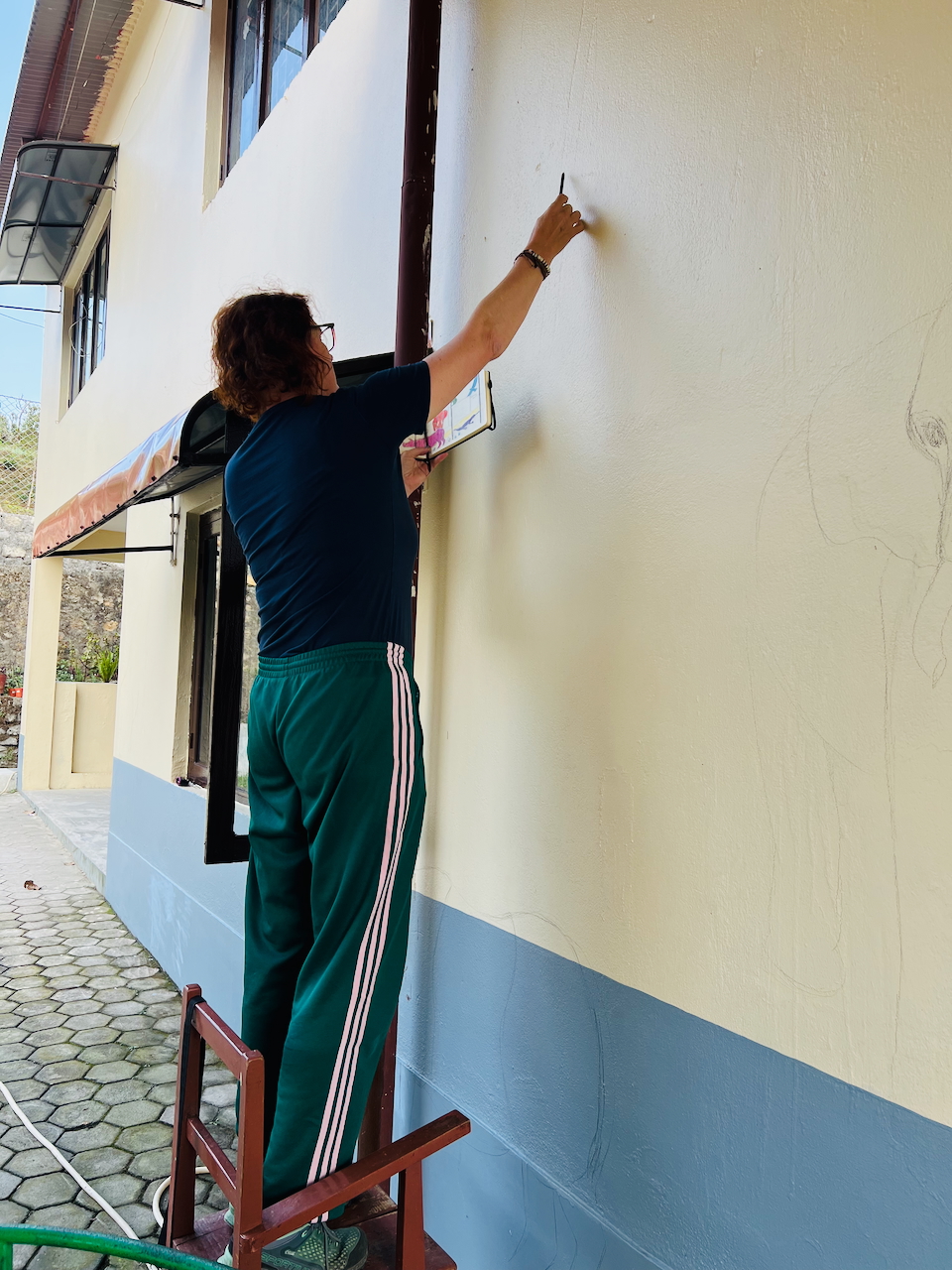
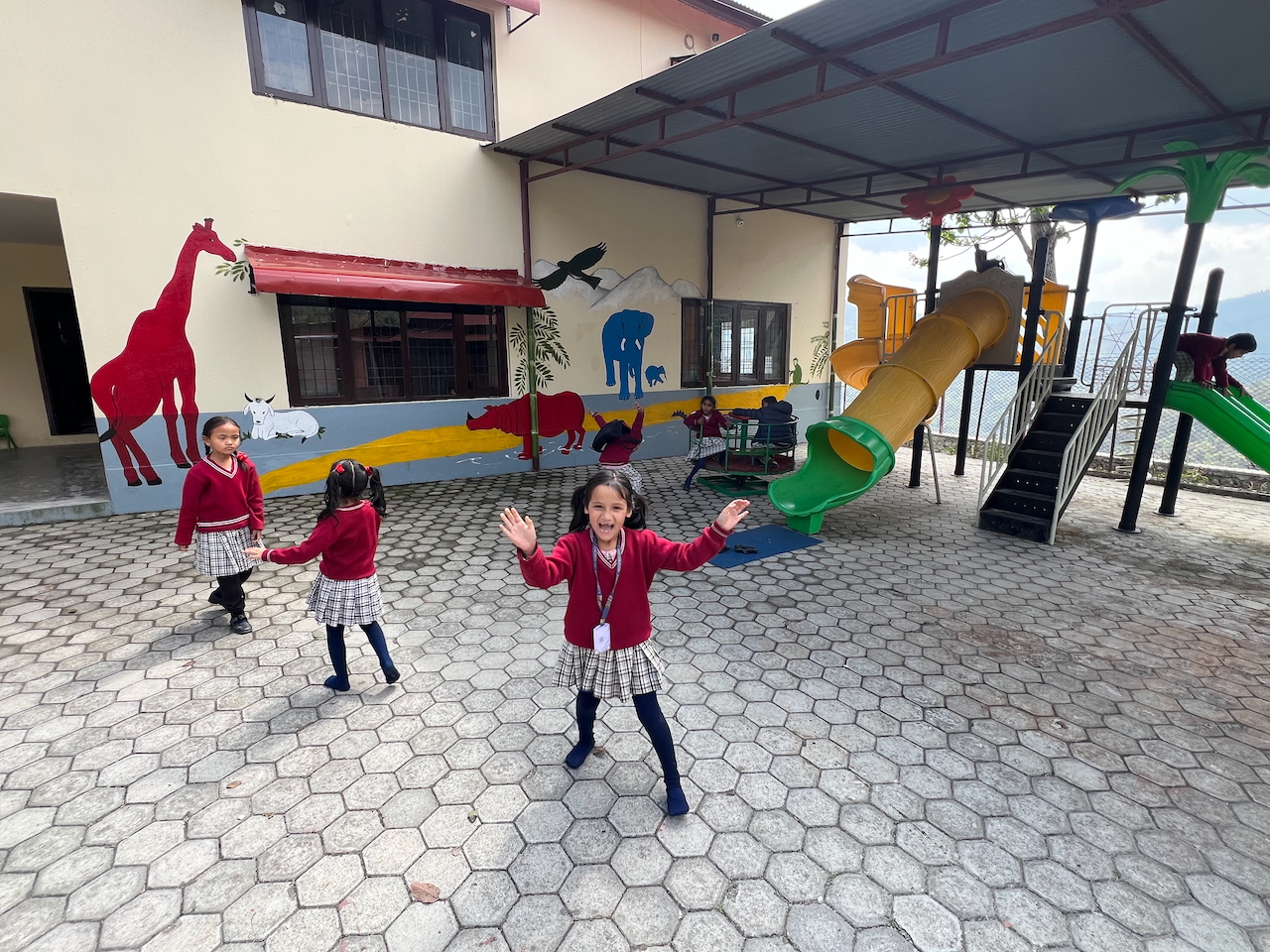
Over the past two months, they have seen me drawing in my sketchbook, painting on the school walls (indoor and outdoor - it was an extra addition), teaching in grades 1–7 (the art project), and providing training to the team and teachers from the district. Hopefully, something will stay with them, they will try out some of these ideas in their lessons, and Meenu can continue working on integrating the STEAM approach.